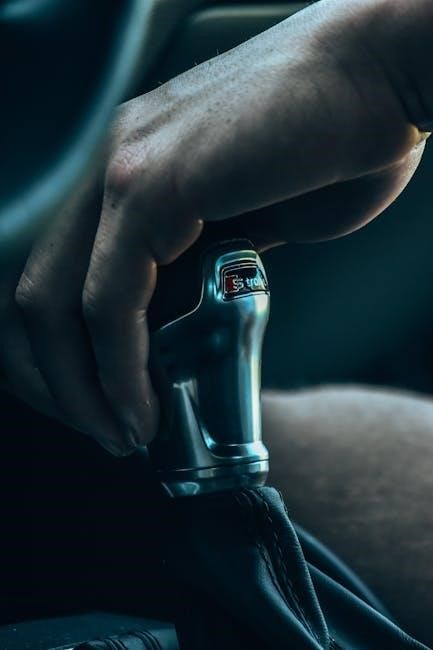
atv manual transmission
ATV Manual Transmission: A Comprehensive Guide
ATVs utilizing manual transmissions‚ especially racing models‚ offer riders superior control‚ while most modern ATVs employ automatic (CVT) systems for ease of use.
ATV manual transmissions represent a traditional approach to power delivery‚ favored by experienced riders and particularly prevalent in the realm of competitive ATV racing. Unlike the convenience of continuously variable transmissions (CVTs) found in many recreational models‚ manual transmissions demand active rider engagement for gear selection. This direct control allows for precise engine braking and optimized power output based on terrain and riding style.

While CVTs dominate the market due to their simplicity‚ understanding manual transmissions is crucial for those seeking maximum performance and a more connected riding experience. This guide delves into the intricacies of ATV manual transmissions‚ covering their components‚ operation‚ maintenance‚ and the advantages they offer.
What is a Manual Transmission in an ATV?
An ATV manual transmission is a gearbox with a fixed set of gear ratios‚ requiring the rider to manually select the appropriate gear for the riding conditions. This contrasts sharply with automatic transmissions (CVTs) which continuously adjust gear ratios. Typically‚ ATV manual transmissions offer 2‚ 3‚ or 4 forward gears‚ plus reverse.
Operation involves using a hand-operated lever and a foot-controlled clutch to engage and disengage power from the engine to the wheels. The rider must coordinate clutch release and gear selection to achieve smooth transitions. This system provides direct mechanical linkage between the engine and wheels‚ offering a more responsive and controlled riding experience;
The Benefits of a Manual Transmission ATV
ATVs equipped with manual transmissions deliver several key advantages‚ particularly for experienced riders and competitive applications. Manual control grants precise gear selection‚ maximizing engine power and efficiency for varied terrains. Riders benefit from enhanced engine braking‚ improving control during descents and cornering.
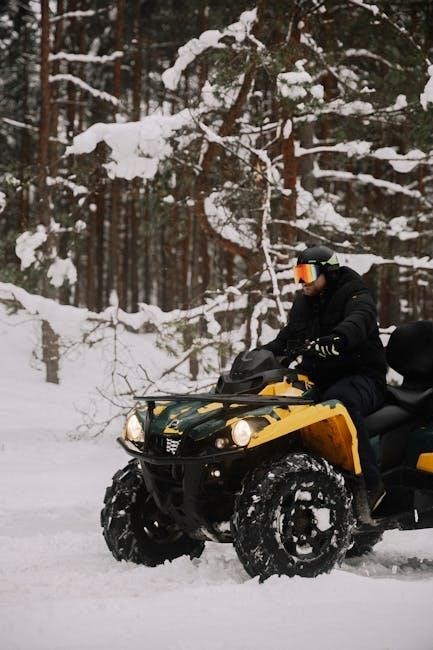
Furthermore‚ manual transmissions generally offer increased durability and reliability compared to CVTs‚ reducing maintenance needs. The direct connection between engine and wheels provides a more engaging and responsive riding experience. For racing‚ this control is paramount‚ allowing riders to optimize performance and maintain a competitive edge.
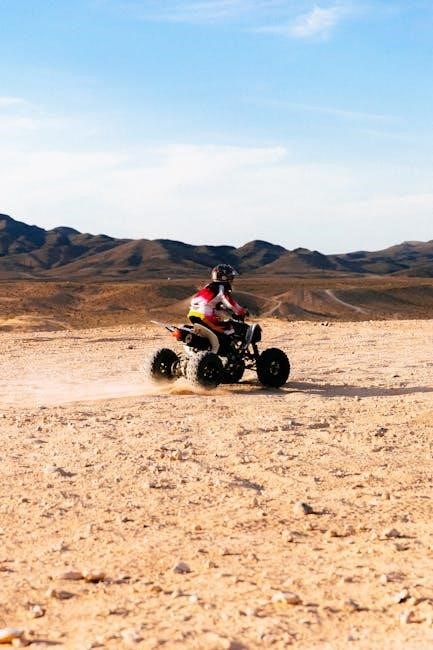
Manual vs. Automatic (CVT) Transmissions in ATVs
ATVs commonly feature either manual or automatic (Continuously Variable Transmission ⏤ CVT) systems. CVTs prioritize ease of use‚ offering seamless acceleration without gear shifting‚ ideal for recreational riders and beginners. Manual transmissions‚ conversely‚ demand rider input for gear changes‚ providing greater control and a more connected feel.
While CVTs excel in simplicity‚ manual transmissions often boast superior durability and efficiency. Racing ATVs almost exclusively utilize manual systems for precise power delivery. The choice depends on rider preference and intended use; CVTs for convenience‚ manuals for performance and control.
Components of an ATV Manual Transmission
An ATV manual transmission comprises several key components working in harmony. The gearbox assembly houses the various gear ratios‚ enabling different speed and torque outputs. A robust clutch system‚ typically multi-plate wet clutch‚ connects and disconnects engine power to the transmission. The shift mechanism‚ controlled by a foot lever and cable‚ allows the rider to select desired gears.
Proper transmission fluid and lubrication are crucial for smooth operation and longevity‚ minimizing wear and tear on internal parts. These components collectively facilitate controlled power transfer‚ offering riders precise control over the ATV’s performance characteristics.
Gearbox Assembly
The gearbox assembly is the heart of the manual transmission‚ containing a series of gears designed to provide varying ratios of speed and torque. These gears‚ meticulously crafted for durability‚ are arranged to optimize power delivery for diverse terrains and riding styles. The assembly’s robust casing protects the internal components from external elements and impacts.
Precision manufacturing ensures smooth and efficient gear engagement‚ minimizing power loss. Different ATV models feature varying numbers of gears – 2‚ 3‚ or 4-speed – within the gearbox‚ influencing overall performance capabilities. Regular inspection of the gearbox is vital for identifying potential wear or damage.
Clutch System
The clutch system in a manual ATV transmission serves as the critical link between the engine and the gearbox‚ enabling smooth gear changes and controlled power delivery. Typically‚ it utilizes multiple friction plates that engage and disengage to connect or disconnect the engine’s rotational force. Proper clutch engagement is essential for optimal performance and preventing stalling.
A clutch cable‚ operated by the rider‚ controls this engagement. Maintaining correct clutch cable adjustment is crucial for responsive operation. Slippage indicates wear‚ requiring inspection and potential replacement of the friction plates. The clutch system’s durability directly impacts the overall riding experience and transmission longevity.
Shift Mechanism
The shift mechanism in an ATV manual transmission is the rider-controlled system responsible for selecting different gear ratios within the gearbox. It typically involves a shift lever‚ linkage‚ and internal selector forks. Precise and deliberate shifting is key to maintaining momentum and optimizing engine performance across varying terrains.
The linkage translates the rider’s lever movement into the necessary action to engage the desired gear. Smooth operation relies on proper adjustment and lubrication of all components. Difficulty shifting often indicates issues within the linkage‚ selector forks‚ or even internal gearbox damage‚ requiring thorough inspection and repair.
Transmission Fluid and Lubrication
Transmission fluid is crucial for the longevity and efficient operation of an ATV manual transmission. It reduces friction between moving parts – gears‚ bearings‚ and shafts – minimizing wear and dissipating heat. Regular fluid checks and changes‚ as per the manufacturer’s recommendations‚ are paramount for preventing costly repairs.
Using the correct type of fluid is essential; typically‚ a specialized gear oil is required. Insufficient lubrication leads to increased friction‚ overheating‚ and ultimately‚ component failure. Proper lubrication also contributes to smoother shifting and overall transmission performance‚ ensuring reliable operation during demanding rides.
How an ATV Manual Transmission Works
An ATV manual transmission operates through a system of gears‚ a clutch‚ and a shift mechanism. The engine’s power initially engages the clutch‚ then transfers to the gearbox. The rider selects gears using a foot-operated shifter‚ altering the gear ratio to optimize torque and speed.
Different gear ratios provide varying levels of power and velocity. Lower gears offer increased torque for climbing or navigating challenging terrain‚ while higher gears prioritize speed on smoother surfaces. Precise coordination between the clutch and shifter is vital for seamless gear changes‚ ensuring efficient power delivery and optimal performance during operation.
Gear Ratios and Their Impact
ATV manual transmission gear ratios fundamentally influence performance characteristics. Lower gear ratios amplify torque‚ providing substantial pulling power for steep inclines and navigating obstacles‚ but limit top speed. Conversely‚ higher ratios prioritize speed on flat terrain‚ reducing torque output.
Selecting the appropriate gear ratio is crucial for matching engine power to the terrain and riding style. A well-chosen ratio maximizes efficiency‚ minimizing engine strain and optimizing fuel consumption. Understanding how gear ratios affect power delivery allows riders to exploit the ATV’s capabilities fully‚ enhancing both control and overall riding experience.
Shifting Techniques for Optimal Performance
Mastering shifting techniques is vital for maximizing an ATV’s manual transmission performance. Smooth‚ deliberate shifts minimize power interruption‚ maintaining momentum and control. Pre-shifting – anticipating gear changes before encountering challenging terrain – ensures the ATV is always in the optimal gear.
Downshifting before climbs or turns provides increased engine braking and torque. Avoiding abrupt clutch engagement prevents wheelspin and maintains traction. Proper technique extends component life‚ reducing wear on gears and the clutch. Consistent practice refines these skills‚ leading to a more responsive and enjoyable riding experience.
Understanding Clutch Engagement
Clutch engagement in an ATV manual transmission is the process of smoothly connecting the engine’s power to the wheels. A gradual release of the clutch lever allows for controlled acceleration‚ preventing sudden jolts or stalls. Complete disengagement‚ achieved by fully pulling the lever‚ separates the engine from the transmission‚ enabling gear changes.
“Slipping” the clutch – partially engaging it – is useful for low-speed maneuvering or navigating technical terrain. However‚ excessive slipping generates heat and accelerates wear. Proper adjustment ensures full engagement without dragging‚ maximizing efficiency and prolonging clutch life. Mastering clutch control is fundamental to smooth operation.
Maintenance of ATV Manual Transmissions
Regular maintenance is crucial for the longevity of an ATV manual transmission. Frequent checks of the transmission fluid level and condition are paramount; changes should follow the manufacturer’s recommendations. Inspecting gears for wear and tear during fluid changes helps identify potential issues before they escalate.
Clutch cable adjustment is also vital‚ ensuring proper engagement and disengagement; A loose cable can cause slipping‚ while a tight one can lead to dragging. Consistent attention to these details prevents costly repairs and maintains optimal performance. Proactive maintenance extends the life of your transmission.
Regular Fluid Checks and Changes
Consistent monitoring of your ATV’s manual transmission fluid is essential for smooth operation. Check the fluid level regularly‚ referencing your owner’s manual for the correct procedure and type of fluid. Look for discoloration or a burnt smell‚ indicating potential overheating or contamination.
Scheduled fluid changes are critical; follow the manufacturer’s recommended intervals. Old fluid loses its lubricating properties‚ accelerating wear on gears and bearings. Use only the specified fluid type to avoid compatibility issues. Proper fluid maintenance significantly extends the life of your transmission and prevents costly repairs.
Clutch Cable Adjustment
Proper clutch cable adjustment is vital for optimal ATV manual transmission performance. A correctly adjusted cable ensures full clutch engagement and disengagement‚ preventing slippage or difficulty shifting. Begin by loosening the locknut on the cable adjuster.
Adjust the cable until a small amount of free play exists at the lever – typically 1/8 to 1/4 inch. Tighten the locknut securely. Test the clutch; it should engage smoothly without dragging or feeling excessively loose. Regular checks and adjustments‚ especially after cable stretching‚ maintain consistent clutch function and prevent premature wear.
Inspecting Gears for Wear and Tear
Regularly inspecting ATV manual transmission gears is crucial for identifying potential issues before they escalate. Look for chipped‚ cracked‚ or excessively worn teeth. Examine the gear surfaces for pitting‚ scoring‚ or discoloration‚ indicating abnormal stress or lubrication failure.
Pay close attention to the engagement surfaces of the gears‚ ensuring smooth and consistent contact. Any roughness or uneven wear can lead to noisy operation and reduced efficiency; If significant wear is detected‚ gear replacement is necessary to prevent further damage and maintain transmission integrity. Consistent maintenance extends gear life.
Troubleshooting Common Issues
Several issues can arise with ATV manual transmissions. Difficulty shifting gears often indicates a worn clutch‚ damaged shift linkage‚ or low transmission fluid. Clutch slippage‚ characterized by engine revving without proportional speed increase‚ points to a worn clutch pack. Unusual noises‚ like grinding or whining‚ suggest worn gears or bearings.
Diagnosing these problems requires careful observation. Check fluid levels and condition first. Inspect the clutch cable for proper adjustment and wear. If issues persist‚ a professional inspection is recommended to avoid further damage and ensure safe operation. Ignoring these signs can lead to costly repairs.
Difficulty Shifting Gears
Experiencing trouble shifting gears in an ATV manual transmission can stem from several sources. A common culprit is a worn or improperly adjusted clutch cable‚ preventing full clutch disengagement. Low or contaminated transmission fluid hinders smooth gear engagement. Internal damage‚ such as bent shift forks or worn gear dogs‚ also contributes to shifting problems.
Begin troubleshooting by verifying correct fluid levels and condition. Inspect the clutch cable for fraying or binding. If the issue persists‚ a more in-depth inspection of the gearbox internals may be necessary‚ potentially requiring professional assistance to diagnose and rectify the underlying cause.

Clutch Slippage
Clutch slippage in an ATV manual transmission manifests as engine RPM increasing without a corresponding gain in speed‚ indicating the clutch isn’t fully engaging. Common causes include a worn clutch pack‚ contaminated oil reducing friction‚ or an improperly adjusted clutch cable. A glazed clutch surface also diminishes grip.

Addressing this requires inspecting the clutch plates for wear and replacing them if necessary. Ensuring clean‚ appropriate transmission fluid is crucial. Adjusting the clutch cable to provide sufficient tension is also vital. Severe slippage often signals internal clutch damage‚ necessitating professional repair or replacement.
Unusual Noises from the Transmission
Unusual noises emanating from the ATV manual transmission often signal underlying mechanical issues. Grinding sounds during shifting typically indicate worn or damaged gears‚ or insufficient lubrication. Whining noises can point to bearing failure within the gearbox. Clunking sounds may suggest loose components or excessive play in the drivetrain.
Investigating these sounds requires careful diagnosis. Checking transmission fluid levels and condition is a first step. Inspecting gears for wear‚ chips‚ or cracks is crucial. Addressing bearing issues or replacing worn components promptly prevents further damage and ensures safe operation. Ignoring these noises can lead to complete transmission failure.
ATV Manual Transmission Types
ATV manual transmissions aren’t standardized; they vary based on application and rider preference. 2-speed manual transmissions are the simplest‚ often found in older or utility-focused models‚ providing high and low range for torque. 3-speed versions offer a broader range for varied terrain. However‚ 4-speed manual transmissions are the most common in racing ATVs;
These provide precise gear selection for optimal performance; The number of speeds impacts the rider’s control and ability to match engine power to the terrain. Choosing the right type depends on intended use‚ with racing prioritizing speed and control‚ while utility focuses on torque and simplicity.
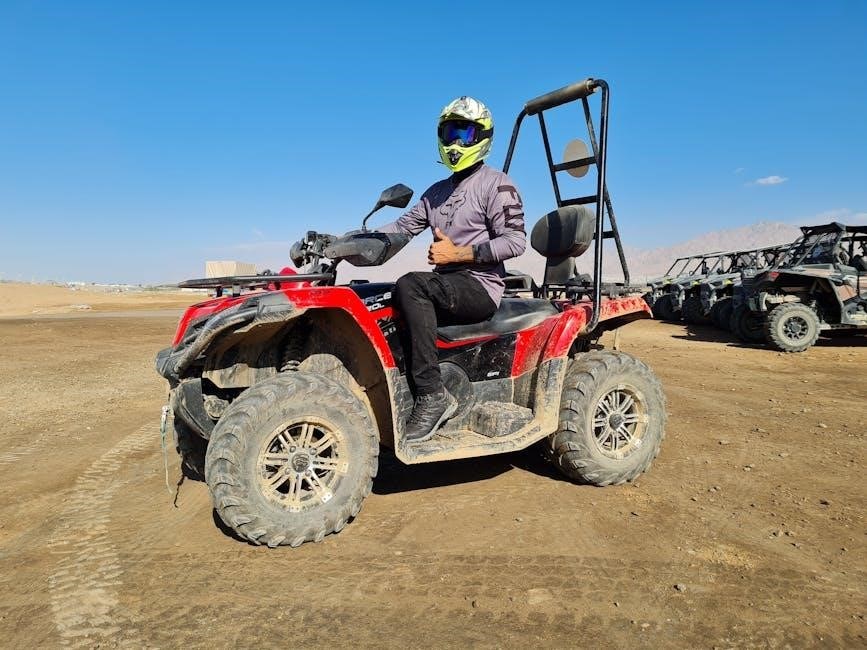
2-Speed Manual Transmissions
2-speed manual transmissions represent the most basic form of manual gear selection in ATVs. Typically found in older models or those designed for heavy-duty utility work‚ they offer a simplified driving experience. These systems generally feature a high gear for faster speeds on relatively flat terrain and a low gear for increased torque when climbing steep hills or navigating challenging obstacles.
While lacking the finesse of more advanced transmissions‚ their simplicity contributes to durability and ease of maintenance. The limited gear choices require more rider input to maintain optimal engine performance‚ but provide a direct connection to the machine.

3-Speed Manual Transmissions
3-speed manual transmissions offer a step up in versatility compared to 2-speed systems‚ providing riders with a broader range of gearing options for varied terrain. These transmissions commonly include a low gear for substantial torque during challenging climbs‚ a neutral position‚ and a high gear for efficient cruising on smoother surfaces. This configuration balances simplicity with improved performance capabilities.
Found in some older utility ATVs and certain specialized models‚ 3-speed transmissions demand more rider engagement than automatic systems‚ requiring deliberate gear selection to optimize engine power and control. They represent a good compromise between ease of use and performance.
4-Speed Manual Transmissions
4-speed manual transmissions represent a significant advancement in control and adaptability for ATV riders‚ particularly those engaged in competitive racing or demanding trail riding. Offering four forward gears‚ a neutral position‚ and reverse‚ these systems provide precise gear selection for maximizing engine performance across a wider spectrum of conditions.
The additional gears allow riders to maintain optimal engine RPMs‚ enhancing both acceleration and top speed. Commonly found on high-performance racing quads‚ 4-speed transmissions demand skilled operation‚ but reward riders with unparalleled control over power delivery and responsiveness. This configuration is favored where precise gear matching is crucial.
Racing ATVs and Manual Transmissions
Racing ATVs overwhelmingly favor manual transmissions due to the heightened level of control they provide riders. Unlike automatic (CVT) systems‚ manual transmissions allow racers to dictate precise gear selection‚ optimizing engine power for specific track conditions and maximizing acceleration. This direct connection between rider and machine is critical for competitive performance.
The ability to downshift for cornering and upshift for straightaways grants racers a significant advantage‚ enabling quicker lap times and superior handling. Manual transmissions eliminate power loss inherent in CVT systems‚ delivering a more responsive and efficient power transfer‚ essential for winning races.
Why Manual Transmissions are Preferred in Racing
Manual transmissions are the gold standard in racing ATVs because they offer unparalleled rider control and direct power delivery. Racers need to precisely manage engine RPMs for optimal performance‚ something a CVT simply cannot replicate. The ability to select the ideal gear for any given situation—cornering‚ acceleration‚ or maintaining speed—is crucial for competitive success.
Furthermore‚ manual transmissions eliminate the inherent power loss associated with belt-driven CVT systems. This translates to more efficient power transfer and quicker acceleration times. Experienced racers can leverage these advantages to shave valuable seconds off their lap times‚ making manual transmissions a necessity for serious competition.
Performance Advantages
Manual transmissions in ATVs deliver distinct performance benefits over automatic systems. Direct power transfer minimizes energy loss‚ resulting in quicker acceleration and improved responsiveness. Riders gain precise control over gear selection‚ optimizing engine RPMs for varying terrains and riding styles. This control is especially vital during aggressive riding and competitive racing scenarios.
The elimination of a belt-drive system‚ common in CVTs‚ reduces maintenance requirements and potential failure points. Experienced riders can exploit the full power potential of their machine‚ achieving higher speeds and enhanced maneuverability. Ultimately‚ a manual transmission empowers the rider to dictate the ATV’s performance characteristics.
Customization and Upgrades
ATV manual transmissions offer substantial customization potential for performance enthusiasts. Riders can modify gear ratios to suit specific riding conditions – lower ratios for increased torque in challenging terrain‚ or higher ratios for top-end speed on open trails. Clutch upgrades‚ including heavier springs and performance clutches‚ enhance engagement and durability.
Aftermarket shift kits provide quicker‚ more precise shifting‚ while reinforced components bolster the transmission’s strength for demanding applications. Skilled mechanics can even tailor the transmission for specific racing disciplines. These modifications allow riders to fine-tune their ATV’s power delivery and overall performance‚ maximizing its capabilities.
Future Trends in ATV Transmissions
The future of ATV transmissions points towards hybridization and continued refinement of existing technologies. Hybrid electric transmissions‚ combining internal combustion engines with electric motors‚ are emerging‚ offering improved fuel efficiency and performance. Developments in continuously variable transmissions (CVTs) focus on enhanced durability and responsiveness‚ addressing traditional limitations.
Advanced materials‚ like lightweight alloys and composite materials‚ are being explored to reduce transmission weight and improve strength. While manual transmissions remain dominant in racing‚ innovations in electronically assisted shifting could bridge the gap between control and convenience. Expect to see smarter transmissions that adapt to riding styles and terrain‚ optimizing performance automatically.
Hybrid Electric Transmissions
Hybrid electric transmissions in ATVs represent a significant shift‚ blending the power of internal combustion engines with the efficiency of electric motors. These systems aim to deliver enhanced fuel economy‚ reduced emissions‚ and increased torque‚ particularly at lower speeds. Integrating electric power assists the engine‚ potentially reducing the reliance on traditional manual shifting in certain scenarios.
While fully electric ATVs are gaining traction‚ hybrids offer a practical transition for riders accustomed to gasoline engines. The development focuses on seamlessly integrating the electric motor with the existing transmission‚ potentially utilizing a modified CVT or even a sophisticated automated manual system. This technology promises a more versatile and environmentally friendly ATV experience.
Developments in Continuously Variable Transmissions (CVTs)
Continuously Variable Transmissions (CVTs) are evolving rapidly‚ becoming increasingly sophisticated in ATV applications. Recent advancements include electronically controlled belt-type CVTs‚ offering improved responsiveness and efficiency compared to traditional mechanical CVTs. These ECVTs allow for finer control over gear ratios‚ optimizing engine performance across a wider range of speeds and terrains.
Manufacturers are also focusing on enhancing belt durability and reducing heat buildup within the CVT system. New materials and cooling strategies are being implemented to extend service life and improve reliability. While manual transmissions remain favored in racing‚ these CVT improvements are narrowing the performance gap‚ offering a compelling alternative for recreational riders seeking ease of use.
Advanced Materials and Designs
The pursuit of lighter‚ stronger‚ and more durable ATV components is driving innovation in materials science. For manual transmissions‚ this translates to the use of high-strength alloys and advanced composites in gear construction‚ reducing weight and improving shift performance. Clutch systems are also benefiting from new friction materials‚ enhancing engagement and minimizing slippage.
Furthermore‚ design optimization through computer-aided engineering (CAE) is enabling manufacturers to create more efficient and reliable transmission systems. This includes refined gear tooth profiles and improved lubrication pathways. Even components protecting the engine and transmission‚ like the schorkel ATOM‚ are becoming more complex and integrated‚ showcasing a holistic approach to durability and performance.