
dixell controller manual
Dixell controllers are essential for precise temperature regulation in diverse applications, offering parametric control, fan speed management, and advanced monitoring systems․
These controllers, including XR, XW, and XC series, enhance efficiency and reliability in refrigeration and beyond, as detailed in available manuals․
What is a Dixell Controller?
A Dixell controller is an electronic device designed for precise temperature regulation and management within refrigeration, heating, and industrial processes․ These controllers, as outlined in Dixell manuals, utilize sophisticated algorithms to maintain setpoint temperatures, optimizing energy efficiency and system performance․
They function by receiving input from temperature probes (sensors), processing this data, and then activating outputs – like relays for compressors, fans, or heaters – to maintain the desired temperature․ Dixell offers a range of controllers, including the Universal-XR, each with specific features and capabilities detailed in their respective installation and operating instructions․
Applications of Dixell Controllers
Dixell controllers find widespread application across numerous industries requiring precise temperature control․ Primarily, they are utilized in commercial and industrial refrigeration, managing temperatures in display cases, cold rooms, and freezers․ Beyond refrigeration, Dixell controllers are employed in heat pumps, maintaining consistent heating and cooling․
Their versatility extends to specialized applications like industrial processes, climate control systems, and even specific equipment requiring accurate temperature regulation․ Manuals highlight their suitability for medium-temperature applications with off-cycle defrost, controlling fan operation as needed․ Copeland US emphasizes their role in maximizing energy savings․

Understanding Dixell Controller Series
Dixell offers diverse series – XR, XW, and XC – each tailored for specific needs․ Manuals detail their unique features, programming options, and application suitability for optimal control․
XR Series Controllers
XR Series controllers from Dixell represent a versatile and widely-used range for refrigeration and temperature control applications․ These parametric controllers, as detailed in the Universal-XR installation manual, offer robust functionality and user-friendly programming․
They are known for their reliability and adaptability to various systems․ The Universal-XR model features a built-in watchdog function, ensuring data and memory integrity․ Manuals emphasize parameter settings for alarms and precise temperature management․ These controllers are frequently discussed in online communities like Reddit’s r/refrigeration, highlighting their prevalence in the field․
XW Series Controllers
While specific details regarding the XW Series are less prominently featured in the provided excerpts, Dixell’s overall commitment to efficiency, as stated on their official website, extends to this line․ These controllers are designed for commercial and industrial refrigeration, focusing on energy savings and precise temperature control․
Like the XR series, XW controllers utilize parametric programming, allowing for customization to specific application needs․ Manuals likely detail alarm configuration and parameter adjustments for optimal performance․ Discussions within refrigeration communities suggest they are a trusted choice for demanding environments․
XC Series Controllers
Information specifically detailing the XC Series isn’t directly present in the provided text snippets․ However, given Dixell’s broad product range – encompassing controllers, fan speed regulators, and monitoring systems – the XC series likely represents another facet of their dedication to temperature management solutions․
Based on the general context, XC controllers probably offer advanced features and parametric control, aligning with the XR and XW series․ Manuals would detail programming parameters, alarm settings, and potentially, integration with other components for comprehensive system control within refrigeration or similar applications․

Dixell Controller Components & Terminals
Dixell controllers utilize input connections for probes and sensors, and output connections for relays, fans, and compressors, as detailed within their manuals․
Input Connections (Probes, Sensors)
Dixell controllers rely on accurate temperature readings from connected probes and sensors․ These inputs are crucial for precise control and efficient operation․ The controller’s manual details specific wiring configurations for various probe types, including NTC thermistors and PT100 sensors․
Proper connection is vital; incorrect wiring can lead to inaccurate readings and system malfunctions․ The manual emphasizes verifying probe compatibility and correct terminal assignments․ Some models support single or dual probe configurations, influencing parameter settings․ The Universal-XR manual highlights the importance of a stable connection for reliable data․
Output Connections (Relays, Fans, Compressors)
Dixell controllers utilize output connections to manage system components like relays, fans, and compressors․ The controller manual provides detailed wiring diagrams for these connections, specifying terminal assignments for each device․ Correct wiring ensures proper operation and prevents damage to the equipment․
Relay outputs control on/off functions, while fan connections regulate cooling․ Discussions on Reddit highlight wiring fan relays (10 and 12) for medium-temperature applications․ The manual stresses adherence to safety precautions during wiring and emphasizes verifying voltage and current ratings for connected loads․
Display and User Interface
The Dixell controller’s display provides crucial information, including setpoints, current temperatures, and alarm statuses․ The user interface, accessed through specific key combinations detailed in the manual, allows for parameter adjustments and system monitoring․ During startup or reset, the display briefly shows a “rES” label, confirming the process․
Alarm indications flash on the display until the issue is resolved, as outlined in the documentation․ The manual explains how to interpret error codes and navigate the parameter menu for configuration․ Understanding the display and interface is vital for effective operation and troubleshooting․

Installation and Wiring of a Dixell Controller
Dixell controller installation requires strict adherence to safety precautions and wiring diagrams found in the manual․ Proper probe and sensor connections are critical for accurate temperature control․
Safety Precautions
Prior to installing or servicing a Dixell controller, always disconnect power to the entire system to prevent electrical shock․ Verify the power is off using a reliable testing device․
Exercise caution when working with wiring, ensuring connections are secure and properly insulated․ Incorrect wiring can damage the controller or connected equipment․ Refer to the specific controller’s manual for detailed wiring diagrams and specifications․
Always use appropriate tools and personal protective equipment (PPE)․ Be aware of potential hazards associated with the refrigeration system, such as high pressure or flammable refrigerants․ Consult a qualified technician if you are unsure about any aspect of the installation or maintenance process․
Wiring Diagrams (General Overview)
Dixell controller wiring typically involves input connections for temperature probes and sensors, and output connections for relays controlling fans, compressors, and other devices․ Universal-XR models, for example, require careful attention to terminal assignments․
Power supply connections are crucial, usually requiring a specified voltage․ Relay outputs (10 & 12) often control fan operation, while compressor relays manage cooling cycles․ Probe connections are vital for accurate temperature readings․
Always consult the specific controller’s manual for a detailed wiring diagram, as configurations vary between models (like XRO3CX)․ Incorrect wiring can lead to malfunction or damage․
Connecting Probes and Sensors
Dixell controllers rely on accurate probe and sensor connections for precise temperature management․ Wiring these components correctly is paramount; refer to the specific model’s manual for terminal designations․ Probes detect temperature, while sensors might monitor other parameters․
Single or dual probe configurations, like those found in the XRO3CX, dictate connection points․ Ensure proper polarity and secure connections to avoid inaccurate readings․ Universal-XR models require careful attention to probe input terminals․
Incorrect probe placement or wiring can trigger alarms or lead to inefficient operation․ Verify connections before powering on the controller․
Programming and Parameter Settings
Dixell controllers utilize a parameter menu for customization․ Accessing this menu allows users to adjust temperature control, configure alarms, and optimize performance, as outlined in the manual․
Accessing the Parameter Menu
Dixell controllers offer a structured parameter menu for comprehensive configuration․ Typically, accessing this menu involves a specific key combination, often a simultaneous press of the ‘SET’ and one of the arrow keys (up or down)․
The display will then show the first parameter code․ Use the arrow keys to navigate through the various parameters, adjusting settings as needed․ Remember to confirm each change by pressing ‘SET’ again․
The manual details the exact key sequence for your specific model, as procedures can vary slightly between XR, XW, and XC series controllers․ The controller briefly displays “rES” during a reset, indicating parameter changes are saved․
Key Parameters for Temperature Control
Dixell controllers offer several crucial parameters for precise temperature management․ ‘Set Point’ (SP) defines the desired temperature, while ‘Differential’ (dE) establishes the temperature range for cycling․ ‘Minimum Temperature’ (Mn) and ‘Maximum Temperature’ (Mx) set operational limits, triggering alarms if exceeded․
Parameters like ‘Defrost Cycle’ control automatic defrosting, and ‘Fan Cycle’ manages fan operation․ Understanding these settings, detailed in the controller manual, is vital for optimal performance․ Adjusting these parameters allows tailoring the controller to specific refrigeration or heating needs, maximizing efficiency and preserving product integrity․
Alarm Configuration
Dixell controllers feature robust alarm systems configurable through dedicated parameters․ The manual details settings for high and low temperature alarms, triggering visual and audible alerts when limits are breached․ ‘Alarm Delay’ (tA) introduces a time buffer, preventing false alarms due to transient fluctuations․
Parameters like ‘Door Open Alarm’ (dA) and ‘Probe Fault Alarm’ (PE) enhance system monitoring․ The ‘Parameter tbA’ defines alarm behavior, while the display flashes an alarm label until the issue is resolved․ Proper alarm configuration, as outlined in the manual, ensures prompt response to critical events, safeguarding equipment and contents․
Troubleshooting Common Issues
Dixell controller manuals guide users through resolving display errors, power failures, and temperature inaccuracies, often indicated by specific codes․
Refer to the manual for detailed diagnostics and corrective actions․
Display Errors and Codes
Dixell controller manuals dedicate significant sections to interpreting display errors and associated codes․ These codes are crucial for pinpointing the source of a problem, ranging from sensor failures to alarm conditions․
The display will often flash an alarm label until the issue is resolved, as noted in Universal-XR instructions․ Understanding these codes, detailed within the manual, allows for efficient troubleshooting․ Common errors relate to probe malfunctions, relay issues, or parameter settings․
Always consult the specific manual for your Dixell model to accurately decode error messages and implement the correct corrective measures․
Controller Not Powering On
If a Dixell controller fails to power on, the manual recommends a systematic check of the power supply․ Verify the input voltage matches the controller’s requirements and that the wiring connections are secure․
Inspect the fuse, if present, for any signs of damage or interruption․ A faulty power supply or a disconnected wire are common causes․ The Universal-XR manual highlights the importance of correct wiring․
Consult the manual’s wiring diagrams to ensure proper connections․ If the issue persists, further diagnostics may be needed, potentially involving a qualified technician․
Temperature Inaccuracies
Dixell controller manuals address temperature inaccuracies with several troubleshooting steps․ First, verify the probe is correctly positioned and securely connected․ Ensure it isn’t exposed to direct airflow or external heat sources․
Calibrate the temperature sensor using the parameter settings outlined in the manual․ Incorrect probe parameters can lead to significant errors․ Check for any obstructions hindering proper temperature sensing․
Confirm the correct temperature unit (Celsius or Fahrenheit) is selected within the controller’s configuration․ Refer to the manual for specific calibration procedures and parameter adjustments․
Advanced Features
Dixell controllers boast watchdog functionality for data integrity, energy-saving modes, and remote monitoring capabilities, all detailed within the comprehensive controller manual․
Watchdog Functionality
Dixell controllers incorporate an internal watchdog system, a crucial feature for ensuring operational reliability․ As outlined in the Universal-XR installation manual, this watchdog continuously verifies the integrity of both data and memory within the controller․
If a system malfunction or software error occurs, the watchdog detects the anomaly and initiates a reset, effectively preventing the controller from becoming locked or unresponsive․ This automatic recovery process minimizes downtime and maintains consistent temperature control․ The manual emphasizes this feature as a key component of the controller’s robust design, safeguarding against unexpected failures․
Energy Saving Features
Dixell controllers are designed with energy efficiency as a core principle․ Copeland US highlights the dedication to technological innovation focused on maximizing energy savings through these controllers․ While specific manual details vary by model, features often include optimized defrost cycles, intelligent fan control, and compressor management strategies․
These features minimize energy consumption without compromising temperature stability․ Parameters within the controller allow for customization to suit specific application needs, further enhancing energy performance․ The controllers contribute to reduced operational costs and a smaller environmental footprint, aligning with sustainability goals․
Remote Monitoring Capabilities
While not explicitly detailed in all Dixell controller manuals, many models offer remote monitoring capabilities through various communication protocols․ These systems allow users to oversee temperature data, alarm status, and controller parameters from a remote location, enhancing operational efficiency and responsiveness․
Integration with building management systems (BMS) or dedicated monitoring platforms is often possible․ This enables proactive maintenance, rapid issue identification, and data logging for analysis․ Specific implementation details and compatibility depend on the controller series and any installed communication modules, as outlined in the relevant documentation․
Specific Model Considerations (XRO3CX)
The XRO3CX, a popular Dixell model, presents variations in configurations—single or dual probe—requiring careful consideration during installation and programming, per the manual․
Identifying XRO3CX Variants
Dixell XRO3CX controllers, while seemingly uniform, exhibit crucial variations denoted by the last five digits of their model number, like the referenced “4ROF1”․ These digits define specific configurations and functionalities․ Determining the exact variant is paramount for correct wiring and parameter settings, as detailed in the controller manual․
Users on online forums, such as Reddit’s r/refrigeration, highlight the difficulty in locating information for certain codes․ The presence of a single probe versus a dual probe setup is a key differentiator, impacting compatibility and requiring appropriate parameter adjustments․ Incorrect identification can lead to operational issues and inaccurate temperature control․
Compatibility with Different Systems
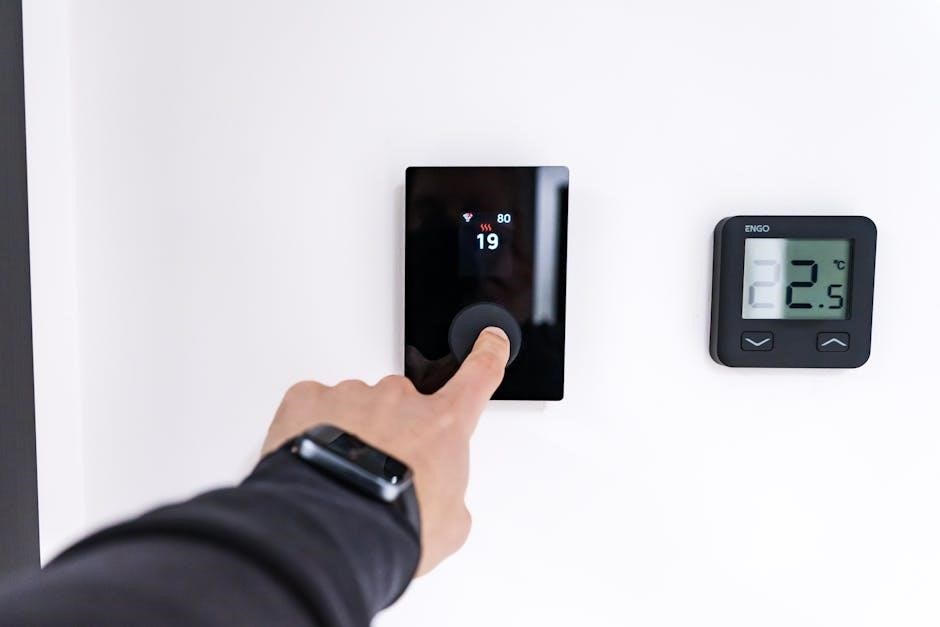
Dixell controllers demonstrate broad compatibility across refrigeration and heating systems, but careful consideration is vital․ The XRO3CX, for example, can function with single or dual probe configurations, influencing its suitability for various applications․ The controller manual emphasizes verifying voltage requirements and relay capacity to match the connected equipment – fans, compressors, and evaporative valves․
Adapting to “medium temp with off cycle” systems, as discussed in online forums, requires proper fan relay wiring (e․g․, connecting wires 10 and 12)․ Successful integration hinges on understanding the system’s specific needs and configuring the Dixell controller accordingly․
Single Probe vs․ Dual Probe Configurations
Dixell controllers, particularly the XRO3CX, offer flexibility with single or dual probe setups․ The controller manual details how dual probe configurations enhance accuracy and safety by providing redundancy and independent temperature monitoring․ However, users with single probe systems, as seen in online discussions, can often operate successfully, even if the controller’s specifications suggest dual probe compatibility․
When using a single probe, the manual advises verifying parameter settings to disable or appropriately configure the unused probe input․ Correct configuration ensures accurate temperature readings and prevents false alarms․
Resources and Support
Dixell’s official website provides comprehensive documentation and support․ Online forums, like Reddit’s r/refrigeration, offer community assistance and troubleshooting advice for controller issues․
Dixell Official Website
Dixell’s official website serves as the primary hub for accessing detailed product information, technical specifications, and crucial documentation related to their controllers․ Users can find comprehensive manuals, installation guides, and wiring diagrams for various Dixell models, including the XR, XW, and XC series․
The website also features a dedicated support section where users can submit inquiries, access frequently asked questions (FAQs), and download software updates․ Furthermore, Dixell provides a network of authorized distributors and service centers listed on their site, ensuring readily available local support and expertise for installation, maintenance, and troubleshooting․
Online Forums and Communities (e․g․, Reddit r/refrigeration)
Online forums, such as the Reddit r/refrigeration community, provide valuable peer-to-peer support for Dixell controller users․ These platforms often host discussions regarding specific models like the XRO3CX, troubleshooting common issues, and interpreting manual information․
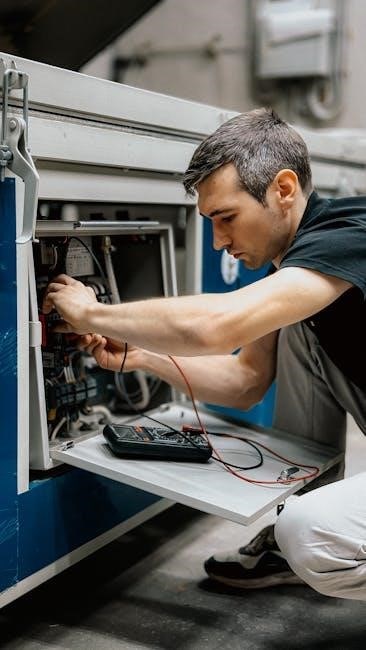
Users frequently share experiences with wiring, parameter settings, and alarm configurations, offering practical advice beyond the official documentation․ These communities can be particularly helpful when seeking clarification on model-specific nuances or finding solutions to unique problems not explicitly covered in the Dixell controller manual․
Technical Documentation
Dixell provides comprehensive technical documentation, including detailed manuals for each controller series and model․ These resources cover installation procedures, wiring diagrams, parameter lists, and troubleshooting guides․ The Universal-XR series, for example, has dedicated installation and operating instructions available․
These manuals explain critical functions like alarm configuration, watchdog functionality, and accessing the parameter menu․ Understanding the technical documentation is crucial for proper setup and maintenance, ensuring optimal performance and longevity of the Dixell controller․ Accessing these resources directly from the Dixell official website is recommended․