
muscular system study guide
Muscular System Study Guide: An Overview
Recent NHL scores reveal intense competition, with teams like the Blackhawks facing opponents such as the Hurricanes, Blues, and Panthers in thrilling matchups throughout 2024-2026.
The muscular system is a fascinating network responsible for movement, stability, and heat generation within the body. Recent NHL game summaries, detailing contests between teams like the Blackhawks and Hurricanes, demonstrate the incredible athleticism and power reliant on this system.
Understanding muscle function is crucial, mirroring the dynamic actions seen in sports. From Coronato’s goals for the Flames to Lohrei’s scoring for the Bruins, each play showcases muscular contractions. This guide will explore the intricacies of muscle tissues, their anatomy, and how they enable everything from a delicate facial expression to a powerful slap shot, as evidenced by the competitive spirit in games against the Blues and Ducks.

Types of Muscle Tissue
NHL action highlights diverse athletic capabilities, reflecting the three muscle types: skeletal, smooth, and cardiac, each contributing uniquely to performance and bodily functions.
Skeletal Muscle: Structure and Function
Considering recent hockey game outcomes, skeletal muscles are crucial for player movements – skating, shooting, and checking. These voluntary muscles, attached to bones via tendons, enable a wide range of motion. Structurally, they’re composed of muscle fibers bundled together.
Each fiber contains myofibrils, responsible for contraction. The interplay of actin and myosin filaments within these structures drives movement, mirroring the dynamic actions seen in games between teams like the Blackhawks and Bruins. Skeletal muscle functions not only in locomotion but also in maintaining posture and generating heat, vital for sustained athletic performance.
Smooth Muscle: Characteristics and Roles
Reflecting the consistent schedule of NHL games, smooth muscle operates continuously in vital bodily functions. Unlike skeletal muscle, it’s involuntary, meaning we don’t consciously control it. Found in the walls of internal organs like the stomach, intestines, and blood vessels, smooth muscle facilitates processes like digestion and blood pressure regulation.
Its contractions are slower and more sustained than those of skeletal muscle. While not directly involved in hockey plays, smooth muscle ensures players have the energy and circulatory support needed for intense physical exertion, mirroring the endurance required throughout a season.
Cardiac Muscle: Unique Features and Operation
Similar to the relentless pace of NHL seasons, cardiac muscle exhibits tireless, rhythmic contractions. Exclusive to the heart, this involuntary muscle possesses unique features like intercalated discs, facilitating rapid electrical impulse transmission for coordinated heartbeats.
Unlike skeletal or smooth muscle, cardiac muscle doesn’t fatigue easily, crucial for continuous circulation. Just as consistent performance defines successful hockey teams, cardiac muscle’s unwavering function sustains life. The heart’s efficiency directly impacts an athlete’s stamina, mirroring the importance of reliable play during crucial game moments.
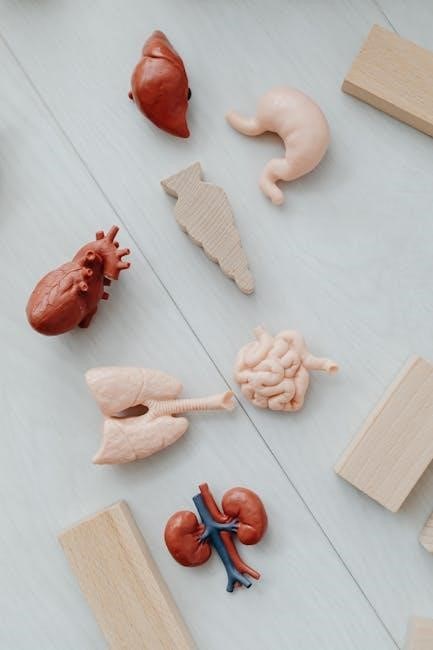
Skeletal Muscle Anatomy
Reflecting team structures in hockey, skeletal muscles are organized with connective tissues – epimysium, perimysium, and endomysium – surrounding muscle fibers for coordinated movement.
Muscle Fiber Structure: Myofibrils, Sarcomeres, and Myofilaments
Drawing parallels to hockey game strategies, muscle fibers contain myofibrils, the fundamental units responsible for contraction. These myofibrils are composed of repeating sections called sarcomeres, the functional units of muscle. Within each sarcomere, you find myofilaments – primarily actin and myosin – which interact to generate force.
Just as players coordinate on the ice, the precise arrangement of these filaments creates the striated appearance of skeletal muscle. The sliding of these filaments past one another, powered by ATP, is the core mechanism driving muscle shortening and ultimately, movement. Understanding this structure is crucial for comprehending muscle function.
Connective Tissue Wrappings: Epimysium, Perimysium, and Endomysium
Similar to team organization in hockey, muscles are enveloped in layers of connective tissue. The epimysium surrounds the entire muscle, providing a protective outer sheath. Within, the perimysium bundles muscle fibers into fascicles, akin to player lines. Finally, the endomysium individually wraps each muscle fiber, offering support and pathways for blood vessels and nerves.
These connective tissue layers aren’t merely structural; they contribute to force transmission. They merge to form tendons, connecting muscles to bones, enabling movement. This hierarchical organization ensures efficient muscle function and resilience, much like a well-coordinated team.
Neuromuscular Junction: How Nerves Stimulate Muscles
Reflecting the strategic plays in hockey games, muscle activation relies on precise communication. The neuromuscular junction is the synapse where a motor neuron meets a muscle fiber. Nerve impulses travel down the neuron, triggering the release of neurotransmitters – acetylcholine – into the synaptic cleft.
This chemical signal binds to receptors on the muscle fiber membrane, initiating a cascade of events leading to muscle contraction. It’s a critical link, ensuring voluntary and involuntary movements. Disruptions here can lead to muscle weakness or paralysis, hindering performance.

Muscle Contraction Physiology
Like the fast-paced action in hockey, muscle contraction involves a complex interplay of filaments, ions, and energy, resulting in powerful movements and sustained activity.
The Sliding Filament Theory Explained
Drawing parallels to the dynamic shifts in hockey games, the sliding filament theory elucidates how muscles contract. This theory posits that muscle shortening doesn’t result from muscle fibers themselves shrinking, but rather from the sliding of these filaments past one another. Specifically, actin and myosin filaments, the key players, interact to create this movement.
Myosin heads attach to actin, forming cross-bridges, and then pull the actin filaments towards the center of the sarcomere. This process requires energy, supplied by ATP. As the filaments slide, the sarcomere shortens, ultimately leading to muscle contraction. It’s a coordinated, energetic process, much like a well-executed play on the ice!
Role of Calcium Ions in Muscle Contraction
Similar to a crucial penalty call impacting a hockey game’s momentum, calcium ions play a pivotal role in initiating muscle contraction. These ions are stored within the sarcoplasmic reticulum and released upon nerve stimulation. This release unlocks the binding sites on actin filaments, allowing myosin heads to attach and initiate the sliding filament process.
Without sufficient calcium, these binding sites remain blocked, preventing contraction. Once the nerve signal ceases, calcium is actively pumped back into the sarcoplasmic reticulum, causing the binding sites to close and the muscle to relax. It’s a precise regulatory mechanism!
ATP and Muscle Contraction: Energy Requirements
Just as sustained energy drives a hockey team through overtime, adenosine triphosphate (ATP) is the primary energy source for muscle contraction. ATP provides the energy for the myosin head to detach from actin, re-cock, and re-attach, continuing the sliding filament cycle.
Muscle activity rapidly depletes ATP stores, necessitating continuous regeneration through processes like creatine phosphate metabolism, anaerobic glycolysis, and aerobic respiration. Insufficient ATP leads to muscle fatigue and cramping, hindering performance. Efficient energy systems are vital for sustained muscular activity!

Major Skeletal Muscles
Like a hockey team’s lineup, skeletal muscles work in coordinated groups; key areas include the head, neck, trunk, upper limbs, and lower limbs for movement.
Muscles of the Head and Neck
Considering the fast-paced action of hockey, the muscles of the head and neck are crucial for stability and precise movements. These muscles facilitate facial expressions, head positioning, and chewing. Key muscles include the epicranius (occipitofrontalis) covering the skull, and the sternocleidomastoid, responsible for head rotation and flexion.
Muscles of mastication – masseter, temporalis, and pterygoids – enable chewing, vital for player nutrition. Furthermore, neck muscles like the splenius capitis and cervicis contribute to head extension and rotation, essential for scanning the ice. Proper function ensures players maintain awareness and react swiftly during gameplay, mirroring the strategic plays observed in recent Blackhawks and Bruins games.
Muscles of the Trunk
Reflecting the dynamic movements seen in NHL games, trunk muscles provide core stability and enable bending, twisting, and maintaining posture. The rectus abdominis, obliques, and transversus abdominis form the abdominal wall, protecting internal organs and supporting spinal movement.
Back muscles, including the erector spinae group, maintain upright posture and facilitate extension. These muscles work synergistically to allow players to generate power for skating, shooting, and checking, similar to the energy displayed by the Flames and Oilers. A strong core is fundamental for efficient force transfer and injury prevention during intense athletic activity.
Muscles of the Upper Limbs
Observing the swift puck handling of teams like the Bruins and Blackhawks highlights the importance of upper limb musculature. The deltoid muscle enables shoulder abduction, while biceps brachii and triceps brachii control elbow flexion and extension – crucial for shooting and passing.
Forearm muscles facilitate wrist movements and grip strength, essential for stick control. These muscles, working in coordination, allow players to execute precise maneuvers, mirroring the skill demonstrated in games against the Hurricanes and Ducks. Upper limb strength and endurance are vital for sustained performance throughout a demanding hockey season.
Muscles of the Lower Limbs
The dynamic skating seen in games featuring the Oilers, Blackhawks, and Golden Knights relies heavily on powerful lower limb muscles. The quadriceps femoris extends the knee, providing the driving force for each stride, while the hamstrings flex the knee and control deceleration.
Gluteal muscles contribute to hip extension, generating forward momentum. Calf muscles enable plantarflexion, crucial for pushing off the ice. These coordinated muscle actions allow players to achieve speed, agility, and endurance, mirroring the intensity observed in matchups against the Panthers and Blues.
Muscle Actions and Movements
NHL highlights showcase diverse movements – flexion during skating, extension for shooting, and rotations for checking – demonstrating isotonic and eccentric contractions in action.
Types of Muscle Contractions: Isometric, Isotonic, Concentric, Eccentric
Analyzing NHL gameplay reveals distinct muscle contraction types. Isometric contractions occur when muscles activate without changing length – think a player bracing for contact. Isotonic contractions involve muscle length changes; these are further divided. Concentric contractions shorten the muscle, like during a powerful slap shot.
Conversely, eccentric contractions lengthen the muscle while generating force, as seen when a player decelerates or controls a check. These actions demonstrate how athletes utilize varied contractions for performance. Understanding these distinctions is crucial for optimizing training and preventing injuries, mirroring the demands of professional hockey.
Common Muscle Actions: Flexion, Extension, Abduction, Adduction, Rotation
Observing hockey players highlights fundamental muscle actions. Flexion decreases the angle between bones – a player bending their elbow. Extension increases the angle, like straightening a leg during a stride. Abduction moves a limb away from the midline, while adduction brings it closer, seen in skating motions.
Rotation involves turning a bone around its longitudinal axis, crucial for stickhandling and shooting. These actions, constantly employed during games, demonstrate the integrated function of muscles. Mastering these movements is vital for athletic performance and injury prevention, mirroring the dynamic demands of the sport.

Muscle Metabolism
NHL game intensity demands substantial energy, mirroring muscle activity’s reliance on sources like carbohydrates and fats, potentially leading to oxygen debt and fatigue during play.
Energy Sources for Muscle Activity
Fueling athletic performance, much like the relentless pace of NHL games, requires a diverse energy supply. Muscles primarily utilize three energy systems: the ATP-PC system for immediate, short bursts – think a quick slap shot; anaerobic glycolysis, providing energy for high-intensity activities lasting seconds to minutes, mirroring a power play; and the oxidative system, crucial for endurance, like sustained shifts.
Carbohydrates are broken down into glucose, the primary fuel source, while fats offer a more substantial energy reserve. Protein can contribute, but is less efficient. The body strategically taps into these sources based on activity duration and intensity, ensuring players, and muscles, can maintain peak performance throughout a demanding game or training session.
Oxygen Debt and Muscle Fatigue
Similar to the demanding nature of NHL games, intense muscle activity can create an “oxygen debt.” This occurs when oxygen supply can’t meet the energy demands, forcing muscles to rely on anaerobic metabolism. This leads to a buildup of lactic acid and other metabolic byproducts, contributing to muscle fatigue and that burning sensation during strenuous exercise.
Oxygen debt isn’t solely about oxygen; it’s a complex process involving energy depletion and metabolic imbalances. Recovery requires replenishing oxygen stores, clearing byproducts, and restoring energy reserves. Adequate rest, hydration, and nutrition are vital for mitigating fatigue and preparing muscles for subsequent activity, just like preparing for the next game.

Muscle Disorders and Injuries
Like athletes facing strains, common muscle issues include sprains, strains, and disorders like muscular dystrophy, impacting function and requiring careful management and rehabilitation.
Common Muscle Strains and Sprains
Muscle strains and sprains are frequent injuries, particularly in active individuals and athletes, mirroring the competitive intensity seen in recent NHL games. A strain involves overstretching or tearing muscle fibers, often due to sudden exertion or inadequate warm-up. Sprains, conversely, affect ligaments – the tissues connecting bones at joints – resulting from a forceful twist or impact.
Symptoms commonly include pain, swelling, bruising, and limited range of motion. Severity ranges from mild discomfort to complete muscle rupture or ligament tear. Initial treatment typically involves the RICE protocol: Rest, Ice, Compression, and Elevation. Rehabilitation exercises are crucial for restoring strength and flexibility, preventing re-injury, and returning to optimal function, much like a team recovering after a challenging series.
Muscular Dystrophy: Types and Symptoms
Muscular dystrophy (MD) encompasses a group of genetic diseases causing progressive muscle weakness and degeneration, a debilitating condition contrasting with the peak physical performance displayed in NHL games. Several types exist, including Duchenne, Becker, Limb-girdle, and Facioscapulohumeral MD, each with varying severity and onset ages.
Common symptoms include muscle cramps, difficulty walking or running, frequent falls, and eventual loss of ambulation. Some types also affect the heart and respiratory muscles. Diagnosis involves physical exams, genetic testing, and muscle biopsies. While there’s no cure, management focuses on supportive care, physical therapy, and medications to manage symptoms and improve quality of life, mirroring a team’s efforts to overcome adversity.
Fibromyalgia: Causes and Management
Fibromyalgia is a chronic condition characterized by widespread musculoskeletal pain accompanied by fatigue, sleep disturbances, and mood issues – a persistent challenge akin to enduring a long losing streak in hockey. The exact cause remains unknown, but genetic predisposition, infections, and physical or emotional trauma are believed to play roles.
Management focuses on symptom relief through a combination of medication, lifestyle modifications, and therapies. These include pain relievers, antidepressants, exercise, stress management techniques, and physical therapy. Similar to a coach’s strategy, a multidisciplinary approach is often most effective in improving quality of life for individuals with fibromyalgia.

Maintaining Muscular Health
NHL players prioritize fitness; similarly, regular exercise and proper nutrition are crucial for muscle strength, endurance, and recovery, mirroring a winning team’s dedication.
Importance of Exercise for Muscle Strength and Endurance
Just as consistent performance defines successful NHL teams, regular physical activity is paramount for developing and maintaining robust muscular health. Exercise stimulates muscle fibers, leading to hypertrophy – an increase in size – and enhanced endurance capabilities. Different types of exercise, such as resistance training and cardiovascular workouts, target various aspects of muscle function.
Resistance training builds strength, while cardio improves stamina. Consistent engagement in these activities not only boosts physical performance but also supports overall well-being, mirroring the dedication shown by athletes striving for peak condition throughout the season, as evidenced by recent game summaries.
Nutrition for Muscle Growth and Repair
Similar to how NHL teams strategically fuel their players for demanding games, proper nutrition is crucial for muscle development and recovery. Protein is the fundamental building block of muscle tissue, essential for repairing damage incurred during exercise and promoting growth. Carbohydrates provide the energy needed to fuel workouts, while healthy fats support hormone production vital for muscle function.
Adequate hydration is also key, mirroring the importance of consistent performance. A balanced diet, timed strategically around exercise, optimizes muscle protein synthesis, ensuring athletes – and individuals – reach their full potential, much like the competitive spirit seen in recent Blackhawks matchups.

Advanced Muscular System Concepts
Reflecting the dynamic nature of NHL games, concepts like hypertrophy and atrophy demonstrate muscle’s adaptability, alongside proprioception’s role in coordinated movements.
Muscle Hypertrophy and Atrophy
Considering the competitive spirit of teams like the Blackhawks, muscle hypertrophy—an increase in muscle size—occurs through consistent resistance training, stimulating myofibril growth and enhancing strength. Conversely, muscle atrophy represents a decrease in size, often resulting from inactivity or malnutrition.
Similar to a team’s performance fluctuations, prolonged immobilization, like injury recovery, can rapidly induce atrophy. Hormonal influences, such as testosterone and growth hormone, also play crucial roles in regulating these processes. Understanding these adaptations is vital for optimizing athletic performance and rehabilitation strategies, mirroring the dedication seen in professional sports.
Proprioception and Muscle Coordination
Reflecting the precise movements observed in Blackhawks games, proprioception—the body’s awareness of its position in space—is crucial for coordinated muscle action. This “sixth sense” relies on sensory receptors in muscles, tendons, and joints, providing feedback to the nervous system.
Effective muscle coordination demands seamless integration of proprioceptive input with motor commands. Training enhances this interplay, improving balance, agility, and reaction time. Just as hockey players anticipate opponents’ moves, refined proprioception allows for swift, accurate responses, optimizing performance and minimizing injury risk.