
pdf anatomy and physiology for dummies
Foundations of Human Anatomy & Physiology
PDF Anatomy & Physiology for Dummies offers concise, beginner‑friendly explanations key diagrams, and study tips. It covers major organ systems, terminology, and essential concepts, making complex biology approachable for students hobbyists alike. PDFs include quizzes, flashcards a glossary for quick study notes!!
Definition and Scope

PDF Anatomy & Physiology for Dummies presents a clear, step‑by‑step introduction to the study of the human body’s structure and function. It defines anatomy as the detailed description of body parts, their relationships, and spatial orientation, while physiology explains how those parts work together to sustain life. The guide covers the entire spectrum from cellular components to complex organ systems, emphasizing the interconnectedness of tissues, organs, and systems. It introduces core concepts such as homeostasis, feedback loops, and the roles of hormones, nerves, and muscles. The scope extends to clinical relevance, illustrating how anatomical knowledge underpins diagnostic imaging, surgical procedures, and therapeutic interventions. The PDF format allows easy annotation, bookmarking, and offline access, making it ideal for students, medical trainees, and lifelong learners who need a portable, reference‑ready resource. By blending concise explanations with illustrative diagrams, the book demystifies jargon, offers mnemonic aids, and encourages active learning through embedded quizzes and self‑assessment tools. The result is a practical, approachable foundation that bridges basic science and real‑world application, empowering readers to grasp the essentials of human biology without getting lost in technical detail.
Readers can download the PDF, print key sections, and annotate directly. The guide links to videos and quizzes for self‑paced study, reinforcing memory and building confidence for exams and clinical practice. Use the built flashcards for quick review.

Body Plan and Planes of Section
In the PDF Anatomy & Physiology for Dummies, the body plan section explains the basic layout of the human body, describing the axial and appendicular skeleton, the concept of symmetry, and the use of anatomical planes—sagittal, coronal, and transverse—to describe locations and movements. It details how these planes intersect at the midline, and how they help clinicians and students visualize structures during dissection or imaging. The guide uses clear diagrams and step‑by‑step labeling to show how the body is divided into sections, such as the head, thorax, abdomen, and pelvis, and how each segment relates to the overall coordinate system. It also covers the importance of reference points like the ear, shoulder, and pubic symphysis, and explains how these landmarks aid in describing positions such as anterior, posterior, medial, lateral, proximal, and distal. The PDF includes interactive checklists that allow readers to practice identifying planes on sample images, reinforcing spatial awareness and preparing them for clinical scenarios such as interpreting CT scans or performing physical exams. By mastering these fundamentals, students can accurately describe any anatomical location, set the stage for deeper exploration of organ systems, and build a solid foundation for future study.
The PDF also offers downloadable worksheets that reinforce spatial concepts, allowing students to practice labeling views identify anatomical landmarks on diagrams. These tools enhance retention and prepare learners clinical imaging exams. quick fast!!
Tissue Levels of Organization
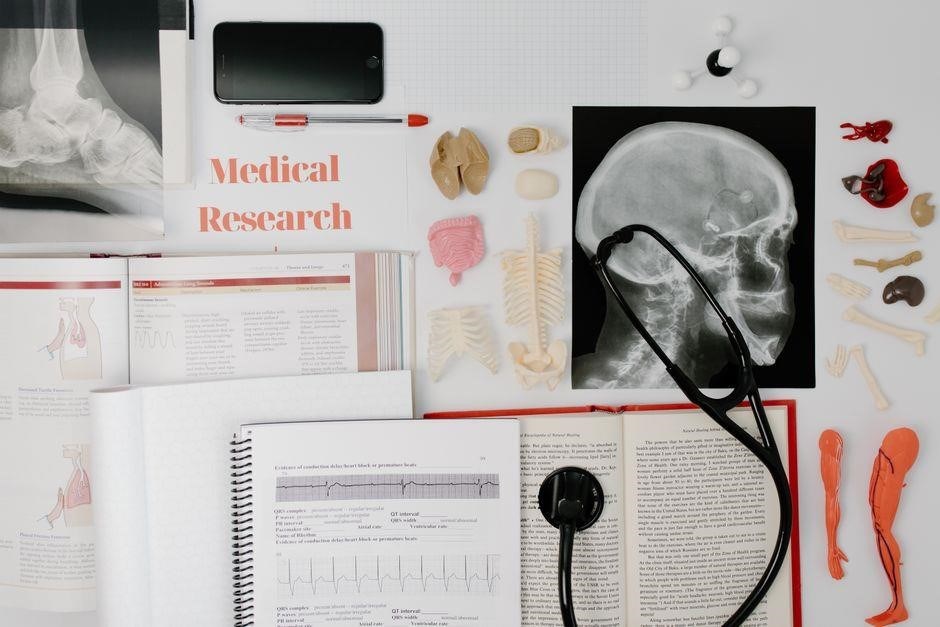
Anatomy & Physiology for Dummies presents tissue organization from the molecular level up to the organism. It begins with cells, the basic functional units, describing their membrane, cytoplasm, and nucleus, and explains how cells communicate through signaling molecules. Next, it details tissues—groups of similar cells that perform a specific function. The PDF covers the four primary tissue types: epithelial, connective, muscular, and nervous. For each, it lists key cell components, structural proteins, and typical functions, using concise tables and illustrative diagrams. The guide then explains how tissues assemble into organs, highlighting the integration of multiple tissue types to form functional units like the heart, liver, or lungs. It emphasizes the importance of organ systems and the hierarchical organization that allows complex physiological processes. The PDF also includes a section on pathological changes, showing how normal tissue structure can be altered in disease states such as inflammation, fibrosis, or cancer. Study aids include mnemonic cues for remembering tissue types, quick reference charts, and interactive quizzes that test recognition of tissue functions and structures. This section equips readers with a clear, step‑by‑step understanding of how cells become tissues, tissues become organs, and organs become part of the integrated body system, providing a solid foundation for further study. Readers can annotate diagrams, noting cell–cell junctions and extracellular matrix components that differentiate tissue types!!Explore more with interactive modules!!

Major Organ Systems Overview
PDF Anatomy & Physiology for Dummies gives a concise overview of the twelve main organ systems that sustain human life. The skeletal system supplies structure and calcium storage. Muscular tissue—skeletal, smooth, cardiac—drives movement and blood flow. The cardiovascular system, with heart, arteries, veins, and capillaries, transports oxygen, nutrients, and waste. The respiratory system, comprising lungs, trachea, bronchi, and alveoli, exchanges gases. The digestive system, from mouth to anus, breaks down food, absorbs nutrients, and eliminates waste, while liver, pancreas, and gallbladder manage metabolism and detoxification. The endocrine system releases hormones from glands such as pituitary, thyroid, and adrenal, regulating growth, metabolism, and stress. The nervous system, including brain, spinal cord, and peripheral nerves, processes sensory input, controls movement, and governs cognition. The lymphatic system, with nodes and vessels, filters interstitial fluid, supports immunity, and returns plasma. The integumentary system—skin, hair, nails—protects, regulates temperature, and senses touch. The reproductive system, with ovaries, testes, and ducts, produces gametes and supports gestation. The urinary system, consisting of kidneys, ureters, bladder, and urethra, filters blood, removes waste, and balances fluids and electrolytes. Together these systems interlock, forming a dynamic, self‑regulating organism. The PDF presents each system with key organs, functions, and clinical relevance, using tables, diagrams, and mnemonics for quick study. Students can annotate and cross‑reference, reinforcing the link between structure and function for exams and real‑world application. Quick‑reference flashcards, self‑testing questions, and a glossary of terms aid efficient review, while a troubleshooting section clarifies common misconceptions and prevents knowledge gaps. The guide also highlights recent advances in imaging and molecular techniques that enhance understanding of organ function and disease mechanisms. Readers can also access downloadable worksheets that test organ identification and functional pathways, fostering active learning. Finally, a summary table consolidates organ system roles, key organs, and common clinical signs, serving as a quick reference for revision. Thanks!—————
Anatomical Terminology
PDF Anatomy & Physiology for Dummies introduces the language of anatomy with clear definitions, directional terms, positional descriptors, and regional names. It explains how to read anatomical diagrams, identify right versus left, superior versus inferior, anterior versus posterior, medial versus lateral, proximal versus distal, and superficial versus deep. The guide also covers the four planes of section—sagittal, coronal, transverse, and oblique—and the axes used to describe movement: flexion, extension, abduction, adduction, rotation, and circumduction. A handy mnemonic, “RIP SAND” (Right, Inferior, Posterior, Superior, Anterior, Lateral, Distal, Near), helps students remember key directional cues. The PDF includes a glossary of 120 essential terms, each paired with a simple illustration and a short example sentence. Interactive flashcards allow users to test recall, while a “term of the day” feature highlights less common words such as “aponeurosis,” “synovial,” and “myocardium;” The resource also explains the difference between anatomical position and clinical position, and how to translate between them when reading case studies; By mastering this terminology, readers can confidently interpret medical reports, follow lab instructions, and communicate effectively with peers and instructors. The section concludes with a quick‑reference cheat sheet that can be printed or saved as a PDF for on‑the‑go study sessions. Happy learning!
This PDF is ideal for quick revision, with printable cheat sheets quizzes to reinforce learning for levels

Scientific Methods in Anatomy and Physiology
PDF Anatomy & Physiology for Dummies explains how scientists study the body using systematic observation, hypothesis formation, controlled experiments, and rigorous data analysis. It covers classic dissection techniques that reveal organ relationships, light microscopy that shows tissue structure, and advanced imaging such as MRI, CT, and ultrasound for in‑vivo visualization. The guide also introduces histology, where stained slides display cellular details, and electron microscopy, which uncovers subcellular architecture. Molecular methods—DNA sequencing, PCR, and proteomics—link anatomy to genetics, while physiological assays measure blood pressure, heart rate, and metabolic rates; Students learn about experimental design, randomization, blinding, and statistical significance, and how to interpret p‑values and confidence intervals. Ethical guidelines, informed consent, and Institutional Review Board approvals are highlighted to emphasize responsible research. The PDF includes a step‑by‑step workflow diagram, sample lab protocols, and a checklist for reproducibility. By mastering these methods, readers can critically evaluate research papers, design their own studies, and appreciate the evidence that underpins medical knowledge.
Key takeaways include the importance of hypothesis testing, the role of controls, blinding, and randomization, and the necessity of statistical analysis to validate findings. Students should practice designing experiments, collecting data, raw! and interpreting results to build a foundation for research.
Applications and Resources for Dummies
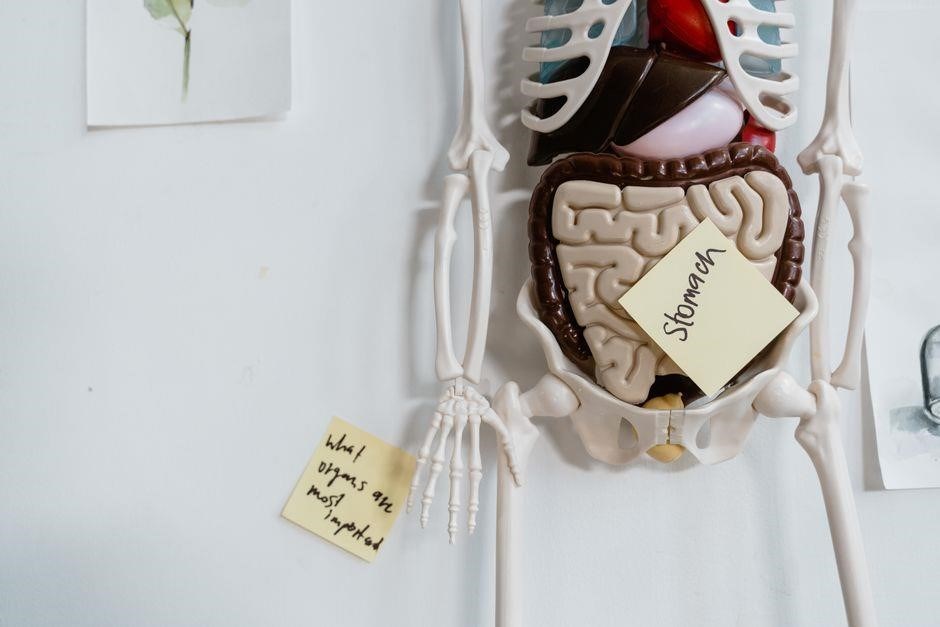
PDF Anatomy & Physiology for Dummies offers free downloadable guides, interactive quizzes, flashcards, and study aids. It links to online libraries, mobile apps, and community forums, enabling self‑paced learning and quick reference for students and hobbyists. 2026!
Digital Resources and PDF Guides
PDF Anatomy & Physiology for Dummies is available as a free, downloadable PDF from the official publisher’s website. The guide is organized into clear sections that mirror the textbook’s chapters, with concise summaries, key terminology, and illustrative diagrams. Users can bookmark pages, highlight text, and add notes directly within the PDF for personalized study. The PDF includes a built‑in glossary, a list of recommended reference books, video tutorials, interactive quizzes, and downloadable flashcards. For those who prefer a mobile format, the PDF is fully responsive and can be opened on tablets, smartphones, and e‑ink readers. Additionally, the publisher offers a companion app that syncs with the PDF, allowing users to track progress, set study goals, and receive push notifications for review sessions. All digital resources are accessible with a simple email registration, and no subscription fees required. The PDF also contains a “quick‑start” chapter that walks new readers through the basics of anatomy and physiology, making it ideal for beginners and self‑taught learners alike. Finally, the guide is regularly updated to reflect the latest scientific findings and curriculum changes, ensuring that students always have access to current, evidence‑based information. Whether you’re a high‑school biology enthusiast, a pre‑medical student, or a curious adult learner, the PDF’s approachable style and comprehensive coverage make it an indispensable companion for anyone eager to grasp the fundamentals of human anatomy and physiology. again!! and more content now!
Interactive 3D Models and Apps
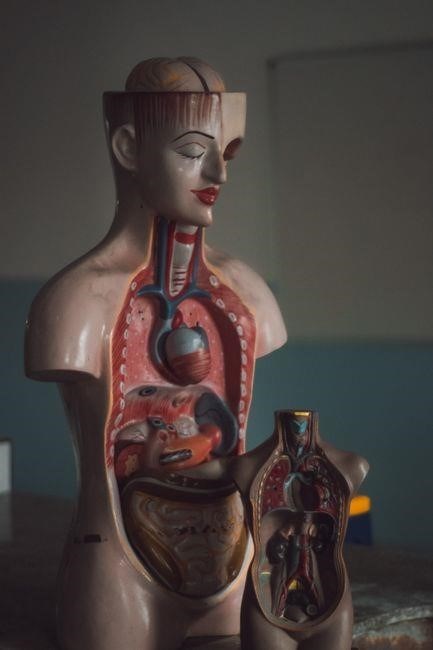
PDF Anatomy & Physiology for Dummies links its downloadable guide to free, web‑based 3‑D models that let students rotate, zoom, and dissect virtual organs. The embedded viewer connects each chapter to a 3‑D scene, where clicking a labeled structure opens a pop‑up definition, cross‑section, or short video. The companion mobile app, available on iOS and Android, syncs via QR code, enabling on‑the‑go exploration of cardiovascular, respiratory, and nervous systems. Users can toggle anatomical planes, overlay muscle groups, and simulate conditions like aneurysms or tumor growth. Gamified quizzes reward points for correctly identifying structures, encouraging repeated practice. For educators, a “teacher mode” lets instructors create custom quizzes, track progress, and export reports. All models are built from high‑resolution scans and validated by medical professionals, ensuring accuracy. The integration of PDF content and interactive visualization creates a multimodal learning experience that caters to visual, kinesthetic, and textual learners alike. By bridging static text with dynamic visualization, the resource helps demystify complex systems and reinforces spatial understanding, a key skill for anyone studying human anatomy and physiology. Again!!
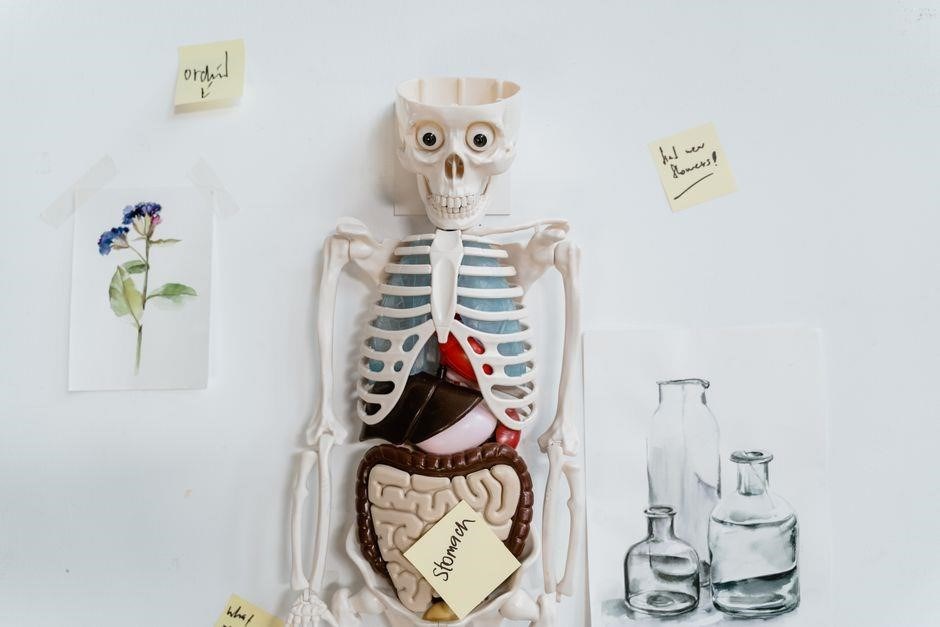
The app offers a “study mode” for annotating 3‑D models. A built‑in dictionary pulls definitions from the PDF glossary. Weekly challenges prompt users to identify rare anatomical variants. The analytics dashboard shows time spent on each system, highlighting areas needing review. This synergy between static PDF content and interactive visualization creates a learning environment that adapts to pace, and enhances retention!
Study Techniques and Mnemonics
PDF Anatomy & Physiology for Dummies recommends a layered study approach, starting with the overview chapters to build a mental map. Use spaced repetition by reviewing flashcards created from the PDF’s built‑in glossary. The guide suggests the “3‑R” method: Read, Recite, Review for each system. Mnemonics are highlighted in bold; for example, the cranial nerves mnemonic “Oh, Oh, Oh, To Touch And Feel Very Good Velvet, AH!” is embedded in the text. The PDF also offers a “Chunking” worksheet that groups related structures, encouraging retrieval practice. For visual learners, the guide links to color‑coded diagrams that can be printed or viewed on a tablet. A “Self‑Quiz” section at the end of each chapter uses multiple‑choice questions that mirror the format of the final exam. The PDF also encourages active note‑taking by inserting blank lines for students to write their own mnemonics, reinforcing memory. Finally, the guide recommends forming study groups, where each member presents a mnemonic they created, fostering peer teaching and reinforcing the material. Remember, consistency beats cramming, and the more you engage with the content, the deeper the retention!
Additional study strategies include spaced review sessions, peer‑teaching drills, and real‑world case studies. The PDF offers a Quick‑Reference cheat sheet summarizing key facts for each organ system. Use the built‑in flashcard tool for recall and track progress with analytics. Schedule regular review blocks to consolidate memory during sleep. Practice drawing structures from memory; active recall strengthens neural pathways and improves long‑term retention. Use notes.Add
Common Conditions and Pathophysiology
PDF Anatomy & Physiology for Dummies presents a concise overview of frequently encountered disorders, linking each to the underlying anatomical and physiological mechanisms. The guide covers cardiovascular ailments such as hypertension, atherosclerosis, and arrhythmias, explaining how vessel wall remodeling, plaque formation, and ion‑channel dysfunction lead to clinical symptoms. Respiratory conditions like asthma, chronic obstructive pulmonary disease, and pneumonia are described with emphasis on airway hyperresponsiveness, mucociliary clearance deficits, and infectious inflammation. Digestive disorders including gastroesophageal reflux, peptic ulcer disease, and inflammatory bowel disease are illustrated by highlighting mucosal barrier breakdown, acid secretion dysregulation, and immune‑mediated mucosal injury. Neurological diseases such as stroke, Parkinson’s disease, and multiple sclerosis are summarized by detailing vascular occlusion, dopaminergic neuron loss, and demyelination pathways. Musculoskeletal problems—osteoarthritis, osteoporosis, and muscular dystrophies—are explained through cartilage wear, bone resorption imbalance, and sarcomere protein defects. Endocrine disorders like diabetes mellitus, hyperthyroidism, and Addison’s disease are linked to insulin resistance, thyroid hormone excess, and adrenal cortex insufficiency. The PDF integrates mnemonic cues for each condition, encourages the use of case‑study scenarios, and provides quick‑reference tables that map symptoms to pathophysiological processes. By connecting clinical presentations with underlying biology, readers gain a deeper understanding of disease mechanisms and can better anticipate diagnostic and therapeutic strategies. By integrating these pathophysiological insights, the PDF empowers students to correlate symptoms with underlying mechanisms, fostering a holistic understanding that supports accurate diagnosis, effective treatment planning, and informed patient education, thereby enhancing clinical competence and confidence across diverse healthcare settings. This approach encourages lifelong learning, critical thinking, and a patient‑centered mindset essential for modern medical practice. in every encounter daily. Keep on.
Career Paths and Further Education
PDF Anatomy & Physiology for Dummies serves as a springboard for diverse career tracks. Graduates may pursue clinical roles such as physician, nurse, or physician assistant, each requiring advanced degrees and board certification. The guide also highlights allied health paths—radiology tech, physical therapy, occupational therapy, and medical laboratory science—where foundational anatomy knowledge is essential for mastering imaging, rehabilitation, and diagnostics. For those inclined toward research, the PDF outlines opportunities in biomedical science, pharmacology, and genetic engineering, emphasizing laboratory techniques, data analysis, and grant writing. The text encourages students to consider academic careers: teaching at community colleges, developing curriculum, or authoring educational materials. It also covers emerging fields like digital health, bioinformatics, and telemedicine, where anatomy expertise supports software design, algorithm development, and patient interface optimization. Additionally, the book points to non‑clinical roles such as medical sales, regulatory affairs, and health policy, where understanding human biology informs product development, compliance, and public health initiatives. Each pathway is paired with suggested postgraduate programs, certification boards, and professional societies to help readers chart a clear trajectory from foundational learning to specialized practice. , and real‑world case studies, the PDF equips learners with the roadmap needed to translate textbook concepts into impactful careers in health and science.
Review and Self-Assessment Tools
PDF Anatomy & Physiology for Dummies is packed with self‑assessment features that help learners gauge progress and reinforce key concepts. Each chapter ends with a set of multiple‑choice questions that mirror exam style, complete with detailed answer explanations and reference citations. The book also offers flashcard packs—both printable and downloadable—highlighting terminology, organ functions, and mnemonic devices. Interactive quizzes are embedded in the PDF, allowing instant feedback and adaptive difficulty based on user performance. A dedicated “Quick Review” section condenses complex pathways into bullet‑point summaries, ideal for last‑minute revision. Additionally, the guide provides a self‑diagnostic checklist that tracks mastery of major organ systems, enabling students to identify weak areas and focus study sessions. For those preparing for licensing exams, a mock test module simulates real‑world testing conditions, complete with time limits and score reports. The PDF’s built‑in bookmarking system lets users mark questions for later review, while the “Progress Tracker” graph visualizes improvement over time. All tools are designed to be accessible offline, ensuring continuous study without internet connectivity. By integrating these resources, the book turns passive reading into active learning, boosting retention and exam readiness. Students can also export their progress to a printable report, share it with tutors, and set study goals that align with their style. The PDF’s adaptive algorithm tracks strengthsextensive and gaps, offering sets to maximize mastery!